Scaling a cannabis brand isn’t like scaling in traditional CPG. In this industry, crossing into every new state can be reset: new rules, new partners, new economics, and new customers. Copy-and-paste expansions don't work, and trying to brute-force your way into a market can burn cash and damage your brand.
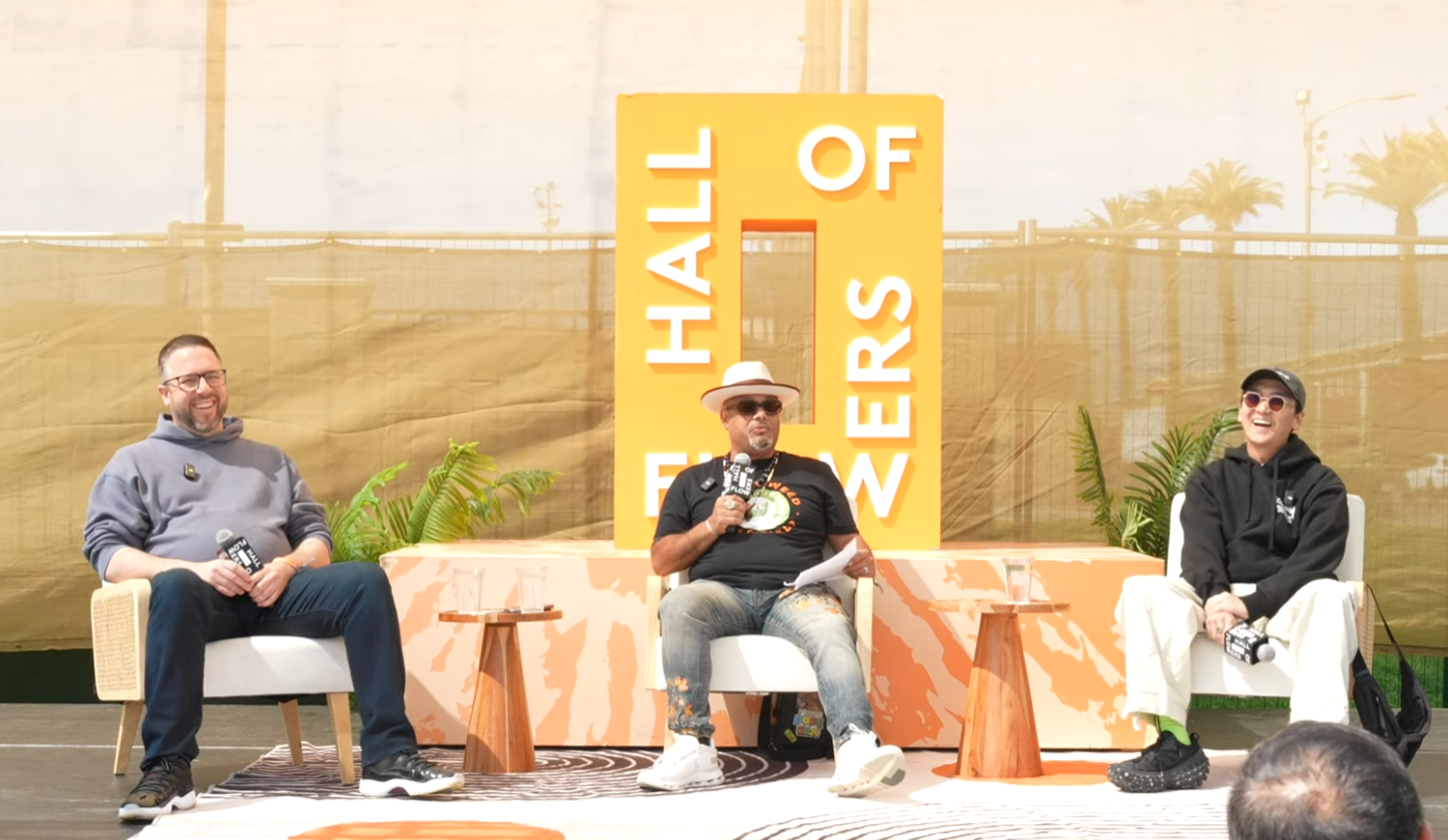
At Hall of Flowers, a fireside chat featuring moderator Ramon Garcia of Equity Trade Network and speakers Dustin Moore, co-founder of Embarc, and Jun Lee, the Co-CEO and Co-Founder of Nabis, broke this challenge down with rare honesty.
They revealed the same truth operators learn the hard way: You can win outside California, but only if you pick the right people, tackle the right barriers, and build on the proper foundation.
Watch the full interview below and read the key takeaways for any brand looking to expand into new states.
1. Expansion Starts With People, Not Geography
Before you pick a state, choose the partners who will help you operate there.
As Jun put it, “We provide a railway for brands to access other markets with lower friction.”
Relationships and the networks you build are infrastructure.
2. The Hardest Parts of Expansion Aren’t the Ones You Expect
Some of the biggest challenges start after the licensing paperwork.
Jun said, “If you’re going to New York, you have to find your suppliers, your manufacturers, then you have to build your retail relationships. It’s a very daunting task for an independent brand.”
Most brands underestimate this. And it costs them.
3. Specialization Is the Most Underrated Advantage in Cannabis Expansion
The strongest brands invest in:
- product
- story
- consumer experience
…and outsource the rest. You can’t scale efficiently if you’re carrying unnecessary operational weight.
4. Expand Where You Have Pull — Not Where Everyone Else Is Pilgriming
“Hot markets” are often hot because everyone rushes in, often without seeing the forest for the trees.
A brand may succeed faster in a smaller, more aligned market than in a larger, more crowded one. The “obvious” next state isn’t always the right next state.
5. Advocacy Isn’t Optional — It’s Part of Your Expansion Strategy
Regulation determines margins more than demand does. If you want to survive in a new market, you have to help shape it.
Budget time for advocacy the same way you budget for inventory. Join coalitions, talk to regulators, support equity groups, and protect the markets you depend on.
6. Build With Today’s Borders, But Design for Interstate Commerce
Build your systems now, assuming borders will fall when cannabis is federally legalized or descheduled. When they do, you want to be the brand already optimized for national flow.
7. Expansion Is a Team Sport — And the Best Teams Win Together
Cannabis has always been a community-built industry. Before significant capital arrived, operators relied on collaborative shared survival. That hasn’t changed.
Jun captured the ethos best: “It takes a village… and if there’s a shared vision, it’s much easier to build rapport and long-term value.”


.png)